October 21, 2026
Passenger E-Trike Battery Picks for US Fleets
A US first/last-mile microtransit operator might run passenger electric tricycles between a rail or bus stop, a clinic, a campus, and nearby housing. The route is short but busy: frequent stops, passengers boarding in rain or heat, tight dispatch windows, and depot returns between shifts. For transit-adjacent providers, dealers, and import distributors, the buying question is not only range. It is uptime. U.S. electric mobility planning has treated first/last-mile access as a way to expand mobility options [Source 2].
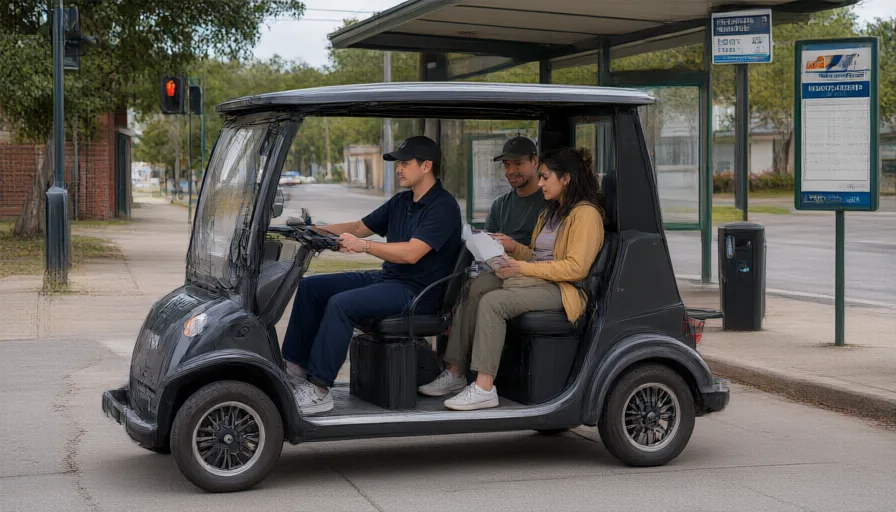
A recent three-battery removable design signal [Source 5] prompts buyers to ask whether removable battery passenger electric tricycle architectures improve uptime more than a fixed battery pack e-trike fleet. The answer depends on duty cycle, not labels.
Uptime is the real constraint
Microtransit energy use is shaped by passenger load, terrain, weather, and idle time while loading. Fixed capacity may work if the depot can recharge the whole vehicle during a long enough break. Removable multi-pack designs may help if packs can be charged separately, rotated across shifts, or staged for peak service.
Battery life should be treated carefully. Recent research suggests real-world stop-and-go driving can be gentler on EV batteries than constant laboratory discharge, and some existing EV batteries may last up to 40% longer than expected [Source 1]. That does not replace a warranty or service plan, but it favors documented factory support over assumptions.
Charging time is another limit. U.S. micromobility guidance notes charging can range from 2.5 to 9 hours depending on battery capacity and charger specifications [Source 3]. For a two-shift day, that window decides whether fixed-pack vehicles can return to service or off-vehicle pack charging is needed.
Removable packs: flexibility with handling overhead
Removable packs can be attractive when a fleet has a controlled depot, trained staff, and enough pack inventory. Packs may be charged on racks, swapped between vehicles, or matched to short and long service blocks.
The downside is system overhead. Connectors, locks, enclosures, theft control, and staff handling become fleet-level risks. If a pack is damaged, misplaced, or not charged in time, the vehicle may sit idle even though the vehicle itself is ready.
Fixed packs: simpler workflow with charging constraints
A fixed pack often means fewer daily handling steps. Staff connect the vehicle, park it in a charge bay, and return it to service after the required window. This can be simpler for smaller fleets without spare-pack management.
The constraint is vehicle availability during charging. If the route needs more energy than one shift can safely reserve, fixed charging may create a bottleneck. Service access also matters: a fixed pack can limit how easily a vehicle is inspected or serviced if integrated tightly into the chassis.
Decision table for battery architecture
| Fleet need | Removable multi-pack signal | Fixed-pack consideration | Verified buyer check |
|---|---|---|---|
| Shift uptime | Three removable battery options may allow pack rotation or off-vehicle charging [Source 5]. | Vehicle may need to remain connected between trips. | Confirm capacity matches the shift and swap handling is safe, lockable, and tool-compatible. |
| Charging logistics | Packs can be charged away from the vehicle in a controlled depot area. | On-board charging depends on parking and charger availability. | Match charging time, capacity, and charger specs to shift schedules [Source 3]. |
| Passenger layout | Daily pack handling may affect storage, seat placement, or canopy clearance. | Fixed packs may preserve space but limit service access. | Confirm seats, canopies, colors, logos, and battery capacity before production. |
| Factory and QC | Swappable systems need consistent connectors, enclosures, and production control. | Fixed systems need strong assembly quality and serviceability. | Verify certifications on file: CCC, ISO 9001 and National E-Moto certification. |
| After-sales risk | Spare packs, theft, connector wear, and training become fleet issues. | Battery access and warranty claims become vehicle issues. | Confirm motor warranty, battery service, parts availability, and local repair responsibility. |
Buyer checklist for US fleet operators
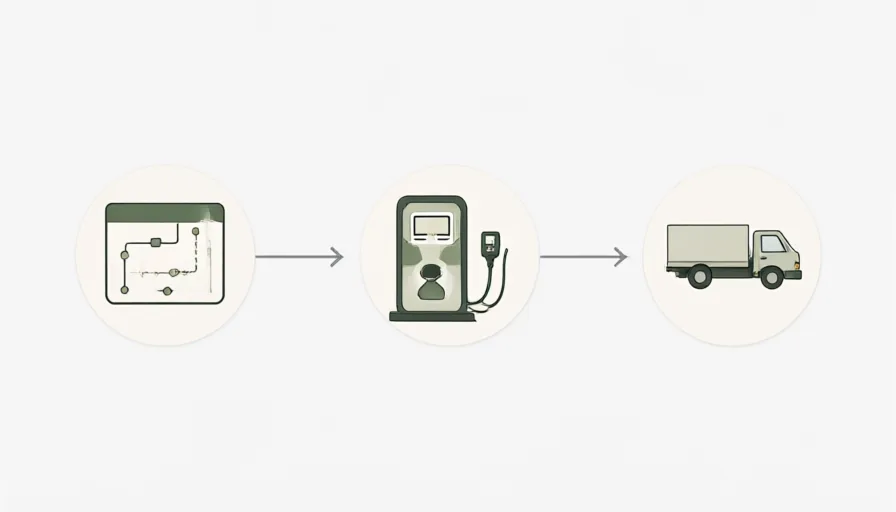
Use this checklist before requesting a quote:
- Audit the route: distance, stops, passenger load, terrain, weather exposure, and peak demand.
- Define energy per shift: required range, reserve margin, comfort, and depot return windows.
- Map depot charging: outlets or chargers, charging window, staff availability, and safe pack storage.
- Choose the handling model: removable packs need connector protection, theft control, training, and inventory; fixed packs need clear vehicle-level charging and service access.
- Verify customization scope: battery capacity, seats, canopies, colors, and logos must be confirmed before production.
- Confirm after-sales: documented motor warranty is 1 year; battery service, parts availability, and local repair responsibility need separate clarification.
- Check U.S. operating rules: municipal classification, passenger-transport licensing, insurance, accessibility expectations, and legal operating areas.
- Avoid unverified subsidy promises and DIY high-voltage battery modifications; rely on documented factory scope and local requirements.
How TrikeLine fits category-level sourcing
TrikeLine connects buyers with a verified manufacturer established in 1988, which supports factory-direct customization of logos, colors, canopies, seats and battery capacity. For US passenger e-trike fleet purchasing and battery capacity customization for export tricycles, that lets buyers request a layout and energy specification matched to the route audit rather than accepting a catalog configuration.
TrikeLine also manages sourcing, quality control, fulfilment and after-sales centrally. This does not guarantee U.S. road legality or local service, but it gives fleet operators, dealers, and import distributors one procurement layer for verifying factory scope, certifications, and export fulfilment.
Next step
A practical first/last-mile microtransit battery strategy starts with the route audit, not the battery label. If peak service depends on rapid turnaround, ask whether removable packs are operationally safe and stocked. If depot power and charging windows are adequate, a fixed pack may be the simpler procurement path. Request a specification review covering capacity, charging time, layout, warranty terms, and after-sales responsibility before ordering.
Sources:
- [Source 1] https://news.stanford.edu/stories/2024/12/existing-ev-batteries-may-last-up-to-40-longer-than-expected
- [Source 2] https://docs.nlr.gov/docs/fy24osti/86690.pdf
- [Source 3] https://www.transportation.gov/rural/electric-vehicles/ev-toolkit/electric-micromobility
- [Source 5] https://www.evoindia.com/amp/story/news/bike-news/e-sprinto-launches-the-brands-first-consumer-oriented-electric-scooter-the-e-sprinto-g1-587804
Useful pages on our site
- Export Passenger Tricycle
- Best-Selling Export Passenger Tricycle
- Africa Tuk-Tuk Passenger Electric Tricycle
- Electric Passenger Tricycle
Talk to DINGSEL · TrikeLine
Request a quote, configuration options or the latest export spec sheet from DINGSEL · TrikeLine. Email sales@dingsel.com | WhatsApp +86 151 5606 8111.